Criterion 01 of 05

Constructive Alignment

Constructive alignment connects intended learning outcomes, learning activities and assessment so students practise the knowledge and skills they are expected to demonstrate.

Jessica’s teaching practice

Jessica’s market-segmentation lesson begins with customer wants and needs, applies the concept to customers seeking a luxury vehicle, and compares advantages and disadvantages. The lesson moves from a marketing concept to an applied example and structured analysis.

Evidence
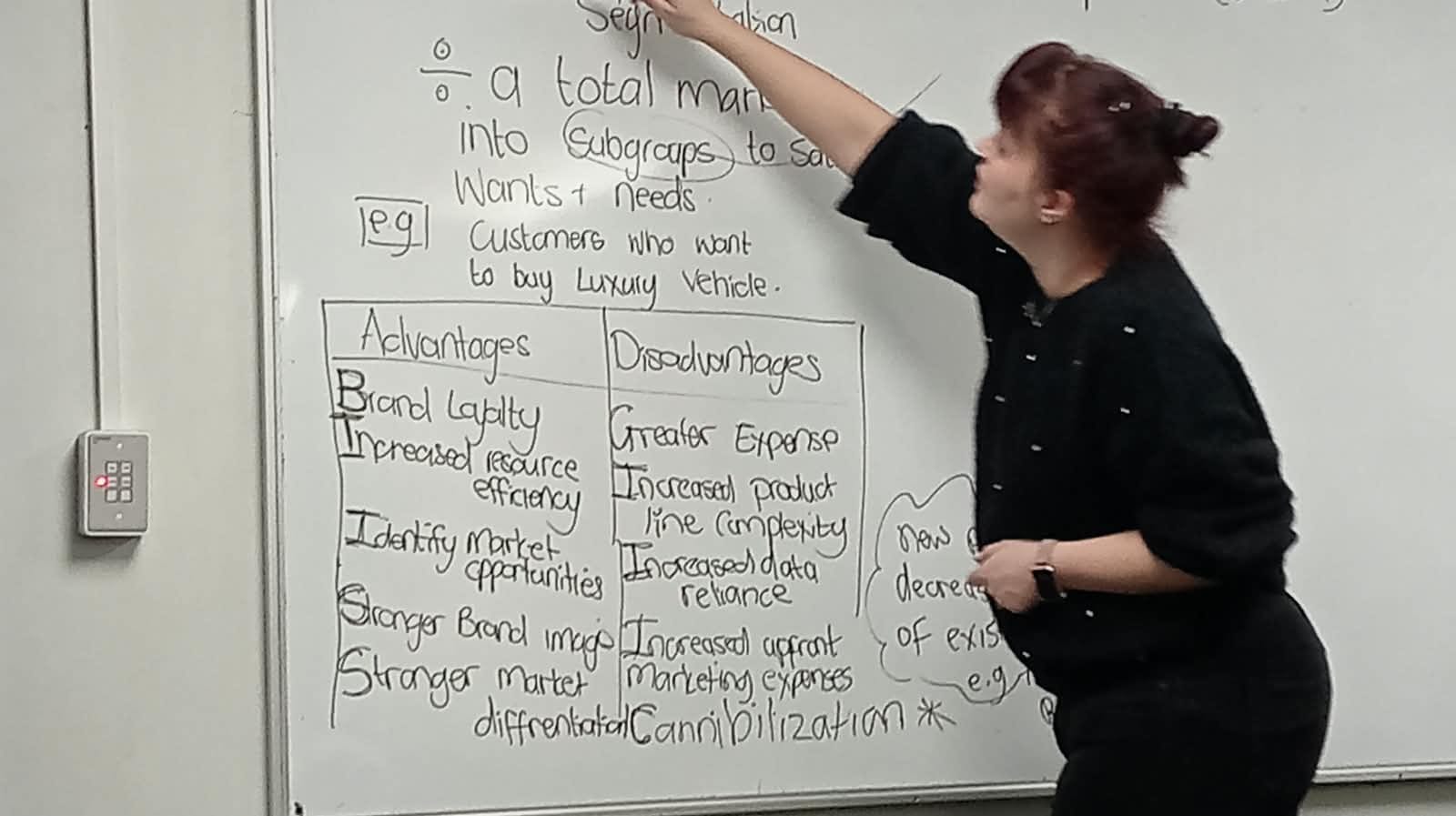
Jessica teaches market segmentation using customer wants and needs, a luxury-vehicle example, and a comparison of advantages and disadvantages on the board.
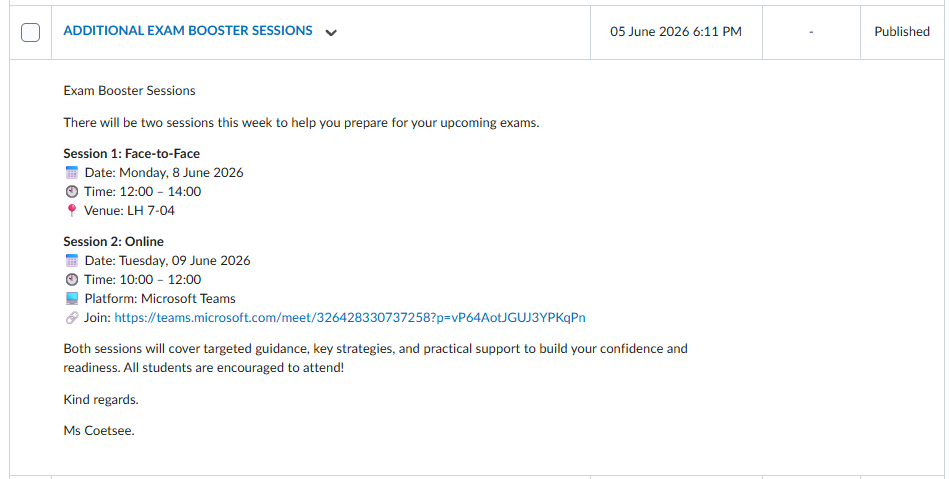
Published announcement for additional exam booster sessions, including face-to-face and online student support sessions.
Additional Exam Booster Sessions
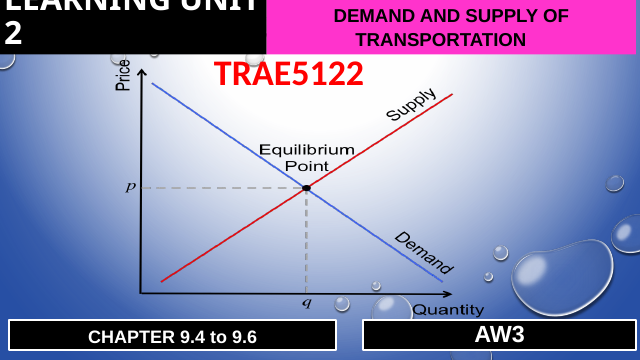
Thumbnail of the TRAE5122 Demand and Supply of Transportation learning unit cover slide
TRAE5122 · Learning Unit 2Selected slides: learning objectives, ICE task, assessment criteria and past-paper alignment.View selected slides
Thumbnail of the MAKT5112 Introduction to Marketing learning unit cover slide
MAKT5112 · Learning Unit 1Selected slides: unit introduction, marketing orientations and ARC task.View selected slides
Thumbnail of the MAPR5111 Marketing Principles learning unit cover slide
MAPR5111 · Learning Unit 1Selected slides: unit introduction, ARC activity and SWOT analysis.View selected slides

Reflection

The customer example gives students a concrete setting for working with segmentation. Comparing advantages and disadvantages invites them to examine the implications of a marketing choice.